

Lemons
- The bitter taste of lemon gives this fruit the ability to increase peristalsis - the pumping motion in the bowels - which helps to eliminate waste from the intestine and improve regularity. Fresh lemon also detoxifies the liver. Add the juice of one lemon to warm water and drink first thing in the morning for extra cleansing power.
- Lemons contain 22 anti-cancer compounds, including limonene - a naturally-occurring oil that slows or halts the growth of cancer tumours in animals. Lemons also contain a substance called flavonol glycosides which stops cell division in cancer cells.
- Lemons are rich in vitamin C and flavonoids that work in conjunction for a serious punch against infection. They also contain vitamin C, citric acid, flavonoids, B-complex vitamins, calcium, copper, iron, magnesium, phosphorus, potassium and fibre.
- While lemons are acidic, they interact with the body's metabolism to have an alkalising effect on the bodily fluids, helping to restore balance to the body's pH.
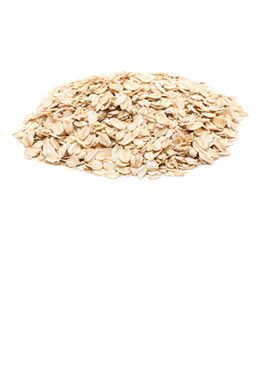
Oats
- Oats are a good source of essential vitamins such as thiamin, folic acid, biotin, pantothenic acid and vitamin E. They also contain zinc, selenium, copper, iron, manganese and magnesium.
- Oats are a very good source of selenium. Selenium is an anti-oxidant that works with vitamin E in numerous vital antioxidant systems throughout the body. These powerful antioxidant actions make selenium helpful in decreasing asthma symptoms and in the prevention of heart disease. In addition, selenium is involved in DNA repair and is associated with a reduced risk of cancer, especially colon cancer.
- Oats, via their high fibre content, are already known to help remove cholesterol from the digestive system that would otherwise end up in the bloodstream. Oats are high in both soluble and insoluble fibre. Insoluble fibre does not dissolve in water. It is spongy and absorbs many times its own weight of liquid. It makes stools heavier and speeds their passage through the gut, relieving constipation.
- Oats have a higher concentration of well-balanced protein than other cereals. They contain a good balance of essential fatty acids, which have been linked with longevity and general good health, and also have one of the best amino acid profiles of any grain. Amino acids are essential proteins that help facilitate optimum functioning of the body.
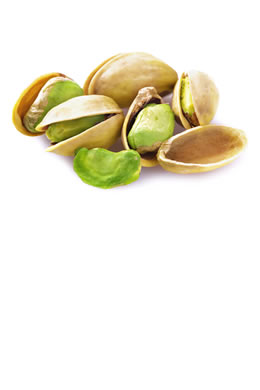
Pistachio nuts
- These nuts are a storehouse of minerals like copper, manganese, potassium, calcium, iron, magnesium, zinc and selenium. Pistachios contain fewer calories and more potassium and vitamin K per serving than other nuts.
- The nuts are packed with many important B-complex groups of vitamins such as riboflavin, niacin, thiamin, pantothenic acid, vitamin B6 and folates.
- According to the Mayo clinic, pistachios contain l-arginine, which can make the lining of your arteries more flexible and make it less likely that you will develop blood clots that could cause a heart attack. They also contain vitamin E, which makes it less likely your arteries will become clogged with plaque.
- They are rich source of carotenes, vitamin E and polyphenolic antioxidant compounds. Research studies have suggested that these compounds help the human body remove toxic oxygen-free radicals and thus protect the body from diseases and cancers, as well as infections.
- These nuts can help fill the gap of protein in your diet. Combine them with grains, vegetables, fruits and seeds, and you can have the required dose of protein for healthy body functioning.
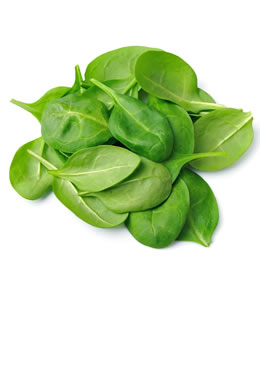
Spinach
- This leafy green is an excellent source of vitamin K, vitamin A, magnesium, folate, manganese, iron, calcium, vitamin C, vitamin B2, potassium and vitamin B6. It's a very good source of protein, phosphorus, vitamin E, zinc, dietary fibre and copper. Plus, it's a good source of selenium, niacin and omega fatty acids.
- Spinach is loaded with flavonoids which act as anti-oxidants, protecting the body from free radicals. Researchers have discovered at least 13 different flavonoid compounds that act as anti-cancer substances. The various nutrients offer much in the way of disease protection.
- It's an outstanding source of vitamins C and A which work to keep cholesterol from oxidising.
- Spinach strengthens the immune system. One cup of spinach contains over 337% of the RDA of vitamin A that not only protects and strengthens 'entry points' into the human body, such as mucous membranes, respiratory, urinary and intestinal tracts, but is also a key component of lymphocytes (or white blood cells) that fight infection.
- Spinach helps with the brain and nervous system. The abundance of vitamin K in spinach contributes to a healthy nervous system and brain function by providing an essential part for the synthesis of the crucial fat that makes up the myelin sheath around our nerves.
The happy yogi loves to learn about all things 'cooking'. These tips were found in a favourite book, Healing Spices by Bharat B. Aggarwal, PHD. The book also has wonderful information about the healing benefits of many spices.
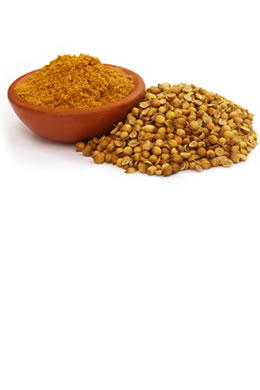
Coriander
- To intensify aroma, roast coriander seeds before you grind them.
- Add whole or ground seeds to stews, marinades, casseroles and vinaigrettes.
- Sprinkle coriander on sautéed mushrooms.
- Add fresh coriander leaves to salad dressings or Vegenaise.
- Coarsely grind coriander and rub it into tofu or seitan before cooking.
- Mix coriander seeds with peppercorns in the peppermill you use at the stove.
- Create a Moroccan rub for your meat substitute: mix asafoetida, butter, paprika and coriander, and rub it on before cooking.
Pairs well with:
allspice, cardamom, clove, coconut, cumin, fennel seeds, ginger, sun-dried tomato, turmeric.
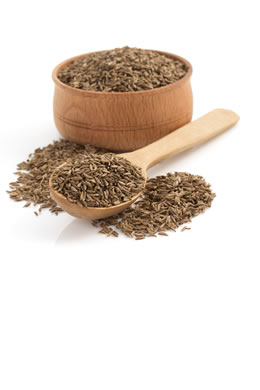
Cumin
- Make a glaze for vegetables by combining ½ cup cooking oil with ½ cup orange juice and 1 tbsp of ground cumin. Season with salt and freshly ground pepper.
- Use it as a flavouring in cheese sauces.
- Add roasted seeds to marinades.
- Use cumin to help spice up creamy dips. Add toasted seeds to lentils or rice pilaf.
Pairs well with:
ajowan, allspice, basil, black pepper, caraway, chilli, cinnamon, coriander, fennel seeds, fenugreek seeds, ginger, mustard seeds, oregano, pumpkin seeds, saffron, turmeric.
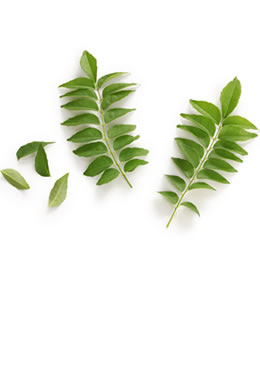
Curry Leaves
- Add fresh curry leaves to salads and salad dressings.
- Try them in chilli.
- Add a few fresh leaves to vegetable soup and add a fresh leaf to each bowl of soup.
- Use instead of bay leaf for a change of pace and taste.
- The citrus-like flavour of curry leaves makes them a natural for marinades.
- Add a leaf or two for pickling recipes.
Pairs well with:
allspice, chilli, cinnamon, clove, coriander, cumin, fennel seeds.
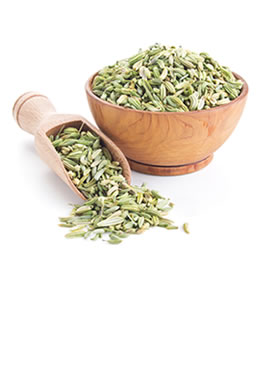
Fennel seeds
- Mix a tablespoon of seeds into your favourite dough.
- Dry and crush toasted fennel seeds and steep them in tea.
- Sprinkle fennel seeds on top of muffins or cakes before baking.
- Add ground fennel to scrambled tofu.
- Add to fruit salads.
- Fennel also works well with tomatoes, olives and olive oil.
Pairs well with:
bay leaf, black cumin seeds, cardamom, cinnamon, clove, coriander, cumin, fenugreek seeds, galangal, ginger, mustard seeds, rosemary, sun-dried tomato, tamarind, turmeric.
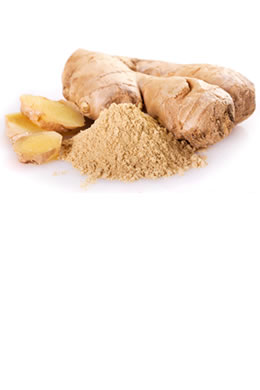
Ginger
- Make a Chinese dipping sauce with ¾ cup soy sauce, ¼ cup rice vinegar, 2 tbsp fresh grated ginger and ½ tbsp sesame oil.
- Grate fresh ginger and dried mint into melted butter and serve as a dipping sauce.
- Rub into tofu before cooking or grate fresh ginger over cooked tofu or noodles.
- Sprinkle ground ginger in apple sauce or use it in fruit pie fillings.
Pairs well with:
allspice, cardamom, chilli, cinnamon, clove, coconut, coriander, cumin, curry leaves, fennel seeds, mustard seeds, parsley, sesame seeds, star anise, tamarind, turmeric, vanilla.
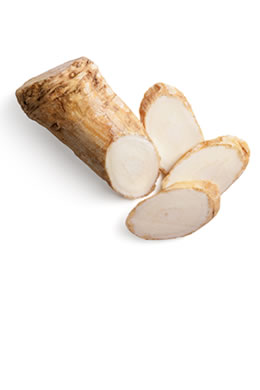
Horseradish
- Add a dollop of horseradish to potato salads, coleslaws and dips.
- Use it to give apple sauce a kick.
- Mix horseradish with sour cream and whip it into mashed potatoes.
- To make a cocktail sauce, mix equal parts of ketchup and horseradish. Add a few splashes of lemon juice.
Pairs well with:
basil, black pepper, celery seeds, fennel seeds, mustard seeds, parsley, rosemary, sesame seeds, sun-dried tomato.
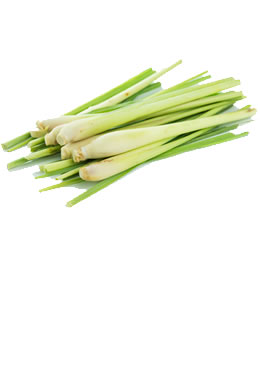
Lemon grass
- Cut the stalks coarsely and add them when steaming veggies.
- Use whole stalks as stirrers to put a touch of lemon in drinks or to intensify lemonade.
- Break 2 stalks into pieces and grind them with coriander seeds. Combine the ground spices with salt and brown sugar, and rub into veggie kebabs.
- Add to stews with a base of coconut milk.
Pairs well with:
black cumin seeds, cardamom, chilli, cinnamon, clove, coconut, coriander, cumin, fennel seeds, fenugreek seeds, galangal, ginger, tamarind, turmeric.
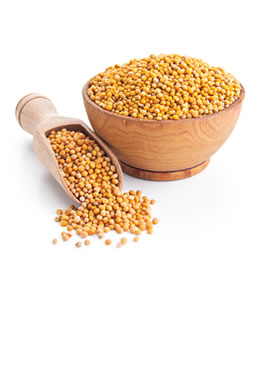
Mustard seeds
- Add whole seeds to marinades for grilled foods.
- Toast mustard seeds and grated coconut, and sprinkle over steamed beans.
- Mustard seeds go with all the cruciferous vegetables. Fry in oil until they pop and sprinkle them over cooked cabbage, cauliflower, broccoli, Brussels sprouts, collard greens or mustard greens.
- Make mustard vinaigrette by combining 2 tsp of mustard seeds, 1 tsp Dijon mustard, 1 tbsp of lemon juice, 2 tbsp apple cider vinegar. Slowly whisk in 1/3 cup of olive oil.
Pairs well with:
allspice, black cumin seeds, cardamom, chilli, cinnamon, clove, coriander, cumin, fennel seeds, galangal, ginger, star anise, tamarind and turmeric.
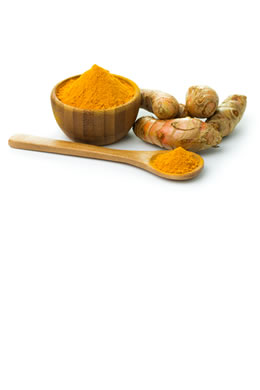
Turmeric
- Add a teaspoon or two to stews.
- Add to fried cabbage.
- To optimise its cancer-fighting properties, add it to cruciferous vegetables such as cabbage, cauliflower and broccoli, Brussels sprouts, kale and watercress.
- Add to scrambled tofu for extra flavour and intense yellow colour.
- Heat turmeric in a little oil before adding liquid to make basmati rice.
- Use it as flavouring for stews and dishes using coconut milk.
- Blend it into butter and drizzle over cooked vegetables.
- Use it as a spice in dishes featuring lentils.
Pairs well with:
allspice, black pepper, caraway, cardamom, cinnamon, coconut, coriander, cumin, fennel seeds, galangal, ginger, mustard seeds, sun-dried tomatoes.
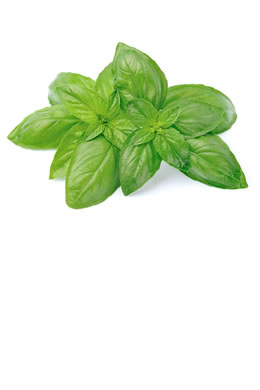
Basil
- Basil is rich in vitamin A, vitamin K, vitamin C, magnesium, iron, potassium and calcium.
- Basil is also a good source of magnesium, which promotes cardiovascular health by relaxing muscles and blood vessels.
- Basil leaves contain antioxidants such as orientin and vicenin, which help protect cells and chromosomes from damage.
- Eugenol in basil can block the COX enzyme, providing natural anti-inflammatory benefits.
- Basil leaves can alleviate coughing and colds; chewing leaves or drinking basil tea helps reduce mucus and ease breathing.
Easy ways to use basil
- Mix angel hair pasta with chopped plum tomatoes and capers. Add warm butter, lemon juice, chopped basil, salt and pepper.
- Add freshly chopped basil to tomato soup with a little apple juice; season with salt and chilli.
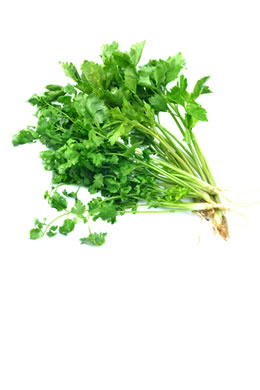
Coriander (Cilantro)
- Fresh coriander is rich in vitamins A, C, K and B vitamins, and minerals including potassium, calcium, manganese, iron and magnesium.
- Coriander contains omega-3 and omega-6 fatty acids that support anti-inflammatory processes in the body.
- Coriander is used as a heavy metal detox agent for mercury, aluminium and lead.
- Regular consumption may help stimulate insulin secretion and lower blood sugar.
- Its antioxidants, phytonutrients and vitamins help strengthen the immune system.
Easy ways to use coriander
- Make a salsa using cucumber, tomatoes, hot sauce, salt, lime juice and chopped coriander.
- Mix chopped coriander into rice and finish with lime and coconut oil.
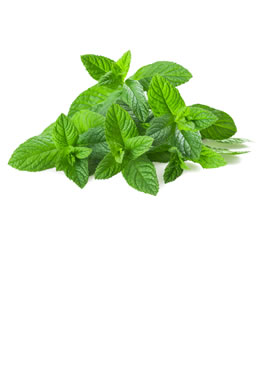
Mint
- Mint leaves contain vitamins A, B6, C, E, K, beta carotene, folate and riboflavin.
- Rich in minerals including calcium, iron, potassium, magnesium and manganese.
- Mint has decongestant properties and helps relieve respiratory congestion; useful for asthma and colds.
- Mint helps combat bad breath and bacteria responsible for cavities; historically used as a tooth whitener.
Easy ways to use mint
- Add mint leaves to cool water with lemon for a refreshing drink.
- Chop and mix into salads with cucumbers and tomatoes.
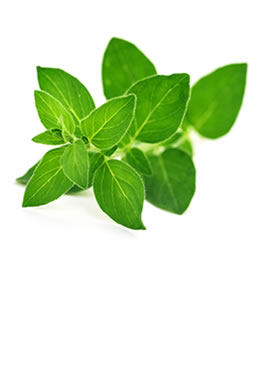
Oregano
- Oregano has extremely high antioxidant capacity—up to 42 times greater than apples.
- Contains fibre, iron, manganese, vitamin E, calcium, omega fatty acids and potassium.
- Contains essential oils with antiseptic, antispasmodic, stimulant and tonic properties; helps treat colds, fevers, headaches and stomach upsets.
- Fresh leaves can be used in poultices to reduce pain and swelling.
Easy ways to use oregano
- Sprinkle fresh oregano on pasta dishes or pizza.
- Add fresh oregano leaves to Greek salad for extra flavour.
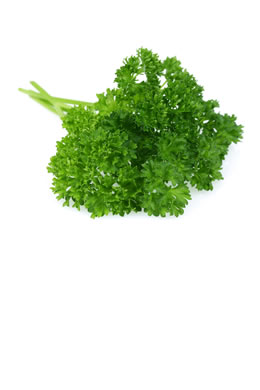
Parsley
- Fresh parsley is rich in vitamins C, B12, K and A, supporting immune and nervous system health.
- A good source of iron and folate.
- Regular consumption may help control blood pressure; folic acid benefits heart health.
- Has anti-inflammatory properties that may reduce joint pain.
- Parsley’s volatile oils help neutralise carcinogens like benzopyrenes.
Easy ways to use parsley
- Finely chop parsley and add to pasta salad with lemon, olive oil, salt and pepper.
- Add chopped parsley to cooked lentils with tomatoes, cucumbers, lemon and olive oil to make lentil tabbouleh.
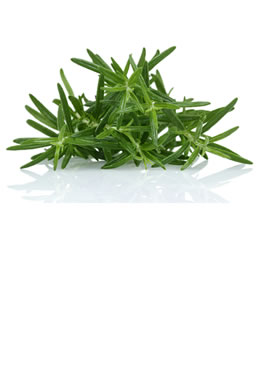
Rosemary
- Rosemary contains carnosic acid, which helps protect the brain from free radical damage.
- Rich in B-complex vitamins including folic acid, pantothenic acid, pyridoxine and riboflavin.
- High in vitamin A, supporting vision, skin health and cancer protection.
- Contains vitamin C, which supports immunity and collagen synthesis.
- An excellent source of iron, essential for oxygen transport in the blood.
Easy ways to use rosemary
- Simmer fresh rosemary in melted butter with salt and drizzle over potatoes.
- Add rosemary to pasta or pizza sauces, especially with tomatoes.
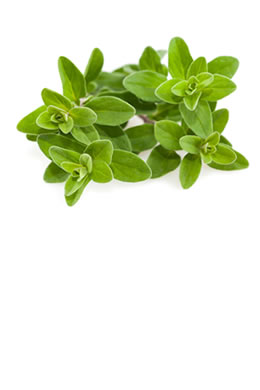
Thyme
- Thyme contains powerful flavonoid antioxidants such as zeaxanthin, lutein and thymonin.
- Rich in vitamins B-complex, beta-carotene, A, K, E, C and folic acid.
- A strong source of potassium, essential for heart rate and blood pressure regulation.
- High in vitamin B6, which supports GABA levels and reduces stress.
- Useful as a gargle or mouthwash for dental problems, sore throat and bad breath.
- Contains thymol, an antiseptic useful for bites, stings, wounds and inflammation.
Easy ways to use thyme
- Season scrambled tofu with parsley, fresh thyme, salt and pepper.
- Blend thyme and rosemary; brush onto bread dough with melted butter and bake.